Your team

Meet the Team Behind This Evidence Review

Four physicians staff the Plastic Surgery & Aesthetics Medical Center at Chongqing West District Hospital. Dr. Ke He is the responsible physician for this evidence review; the Center Director guarantees the standards the practice is held to, and the surgical and dermatologic members of the team carry the two questions that decide whether combination is the right plan at all — whether the finding is one a device can reach, and whether the skin can tolerate what is being proposed.

Specialist profiles

Who reviews this content

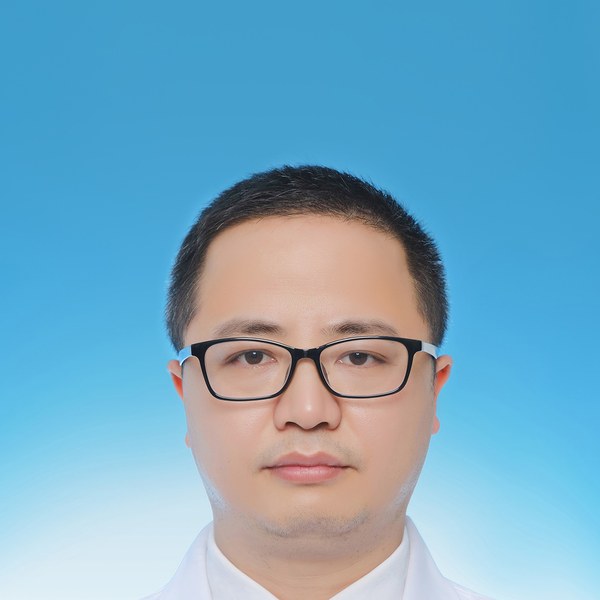
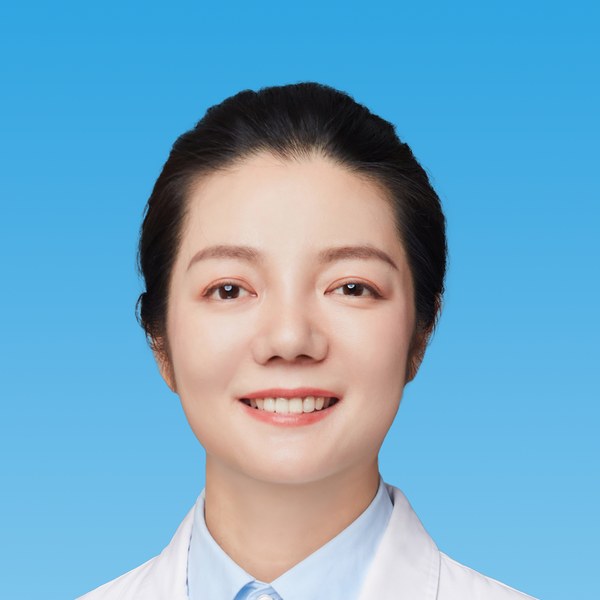
Ke He

Ke He (何锞)

Deputy Director & Head of Skin & Laser Aesthetics · Attending Physician, Licensed Aesthetic Attending · Lead Physician of This Site

Laser and device assessment · sequencing and spacing · evidence review

Dr. Ke He is Deputy Director of the Plastic Surgery & Aesthetics Medical Center at Chongqing West District Hospital and head of its skin and laser aesthetic service — and she is the lead physician of this site. A core specialist formerly at the Plastic and Aesthetic Surgery Department of Xinqiao Hospital, affiliated with Army Medical University, she has worked on the clinical front line in skin laser and injectable aesthetics for more than 20 years, serving over ten thousand patients.

Her practice is non-surgical and device-based, which is where this subject lands. She assesses the skin first and chooses the modality second, which is the opposite of the order a package implies: what the finding is, which target reaches it, what the skin can tolerate in one recovery, and how the result will be judged before anything else is added. She is explicit with patients about what combination does not do — it does not shorten recovery, it does not make a result arrive sooner, and it does not substitute for assessing one finding properly. Where a single well-chosen course is the honest answer, she says so rather than adding a second modality, and where the finding is structural she refers it for surgical assessment.

Clinical focus

  • Assessment of the skin before any device is chosen
  • Order and interval when more than one modality is planned
  • Pigment risk and skin-type assessment before treatment
  • Honest reporting of what the evidence supports and where it is thin
  • Referral for surgical assessment where a device will not reach the finding

Academic roles & achievements

  • Member, Laser Medicine Group, Chinese Medical Association Plastic Surgery Branch
  • Member, Facial Rejuvenation Group, Chinese Medical Association Plastic Surgery Branch
  • Member, Chongqing Plastic Surgery Quality Control Center
  • Published 5 papers, holds 5 national patents, and introduced 2 new clinical techniques

Each modality should name a finding

A plan for combined treatment is defensible when each part says which finding it addresses, at what depth, in what order, and when the result will be judged. Where a part cannot answer that, it is not a clinical decision being made. Adding it is a decision about the session rather than about the skin.
Shaoliang Wang

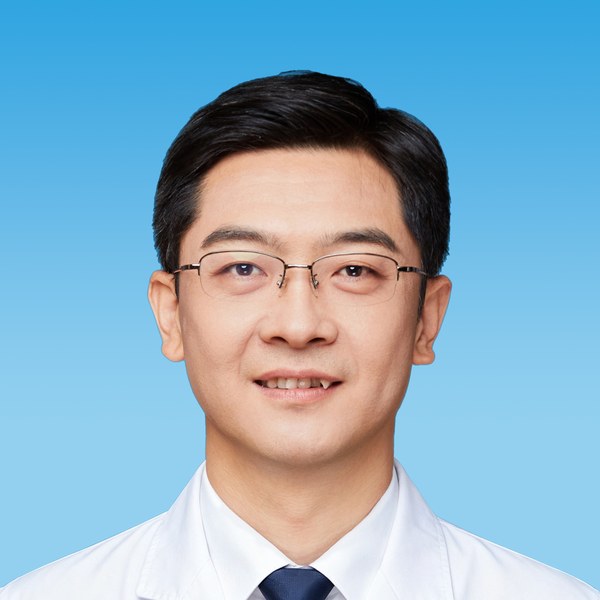
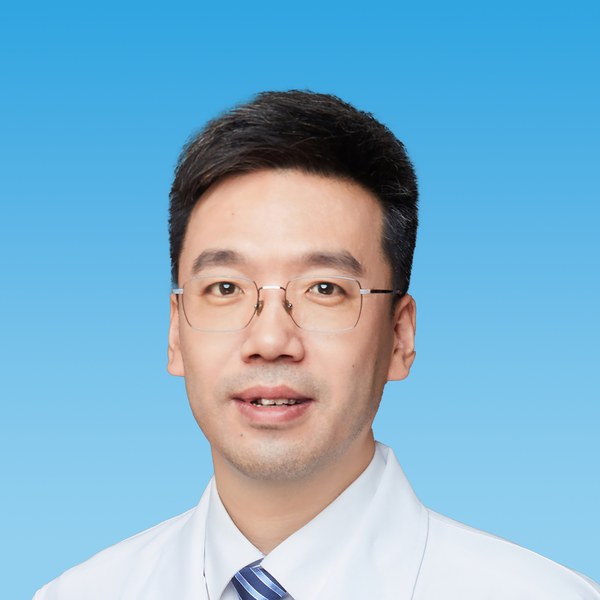
Shaoliang Wang (王韶亮)

Director, Plastic Surgery & Aesthetics Medical Center · Vice Chief Physician, Associate Professor, Doctor of Medicine

Center leadership · surgical standards

Dr. Shaoliang Wang is Director of the Plastic Surgery & Aesthetics Medical Center at Chongqing West District Hospital. Within the team he provides the surgical perspective and the tertiary-hospital backstop — the assessment when an operation is the honest answer, and the hospital-level care for the rare complication that needs it.

For a reader of this review, his role is the guarantee that an individual plan sits inside a departmental system rather than beside it: documented assessment before treatment, hospital support in the building for the uncommon burn or infection that needs it, and a follow-up schedule that continues after the last session rather than ending with it.

Clinical focus

  • Center leadership and multidisciplinary case review
  • Surgical assessment when an operation is the honest answer to descent or excess skin
  • Hospital-based care for the rare complication that needs theatre-level management
Tongchun Mao

Tongchun Mao (毛彤春)

Deputy Director & Head of Aesthetic Surgery · Vice Chief Physician, Licensed Aesthetic Attending

Aesthetic surgery · facial contouring · fat transfer

Dr. Tongchun Mao is an aesthetic surgeon within the Plastic Surgery & Aesthetics Medical Center at Chongqing West District Hospital. Within the team his role is refinement and honest referral: he is the person who says so when an operation will do better than an injectable or a device.

Within this team his role is the surgical assessment of findings that no device reaches: tissue that has descended, skin that is lax, and the question of whether an operation answers better than a third modality. That question is asked before a course is planned rather than after it has failed, which is the point of having it asked at all.

Clinical focus

  • Aesthetic surgical assessment and refinement of contour and asymmetry
  • Honest referral when surgery outperforms a course of injections
  • Shared case planning within the four-physician team
Yongbo Jia

Yongbo Jia (贾勇波)

Deputy Director & Head of Dermatology · Vice Chief Physician, Licensed Aesthetic Attending

Dermatology · pigment · barrier

Dr. Yongbo Jia is a dermatologist within the Plastic Surgery & Aesthetics Medical Center at Chongqing West District Hospital. Within the team his role is medical skin assessment — diagnosing and managing pigment and barrier conditions, and treating skin that a device or an injection has irritated.

Within the team his role is the skin's own conditions: what is contributing to a pigment or barrier problem, whether a finding is one that a device will improve or one it will worsen, and the management of skin that has reacted to treatment. Pigment change after laser treatment is the commonest unwanted outcome, and this is the assessment that goes in front of it.

Clinical focus

  • Medical skin assessment behind injectable treatment plans
  • Diagnosis and management of pigment and barrier conditions
  • Dermatologic care of skin after irritation or a delayed reaction

Ask about the evidence, not about a booking

This review answers questions about what is established and what is not, and it does not steer anyone towards treatment. If a claim here is unclear, or you have seen one and want to know how it is graded, the contact page explains how to ask the team.

Contact the Team